
Used car inspection sheet: what to check before you buy
By Hatgebk team

We reviewed the inspection advice published in Egypt and the known faults for each generation in the Hatgebk catalog, and put them on one sheet.
Used car inspection sheet
If you're going to view a used car, you don't need to memorise anything. At Hatgebk, we reviewed inspection advice published in Egypt and the known faults in our catalogue, and put them on one sheet you can open on your phone while you're beside the car.
Papers
- The chassis and engine numbers on the car match those on the licence.
- The licence is valid and in the seller's name. If they hold a power of attorney, ask to see it.
- Get a vehicle data certificate from the traffic department and check for outstanding fines before you pay.
Body
- The gaps around the doors, wings, bonnet and boot stay even along their length, and no bonnet or wing sits out of line.
- The panels match in colour in direct sunlight.
- There are no signs of welding on the chassis or pillars.
Cabin
- No warning lights stay on, especially those for the engine, airbags and brakes.
- The AC, electric windows, lights and screen all work.
- The mileage on the odometer is consistent with the wear on the steering wheel, seats and pedals.
Engine
- It sounds normal when cold, with no heavy exhaust smoke.
- The oil is at the correct level, with no leaks.
- The temperature stays steady once the engine is warm.
Test drive
- The gearbox shifts smoothly, with no delay.
- The brakes and steering respond well, and the car feels stable.
- The suspension stays quiet over bumps.
Inspection centre
- Get a report from an independent centre covering the engine, gearbox, suspension, electrics and body.
Our pick: Go through this sheet yourself first. If the car passes, pay for an independent inspection. If the seller refuses an inspection, walk away.
Still looking? See used cars for sale on Hatgebk.
Inspecting a used car before buying: where to start
Checking a used car before you buy doesn't have to start with paying someone. Based on our review, the best order helps you spot a bad deal early: the cheapest and quickest checks first, and the inspection centre last.
- Start with the papers: this takes no expertise, and if the numbers don't match, there's no point continuing, because a mismatch is a legal obstacle and a sign of forgery.
- Then the body, in daylight: gaps and colour differences are visible in sunlight, without tools.
- Start the engine cold: ask the seller not to run it before you arrive, because a warm engine hides faults.
- Take a real drive: some faults only appear when the car is moving or the engine is hot, such as vibration, slow gear changes and suspension noise.
- Pay for the centre last: that way, you don't pay to inspect a car you would have rejected anyway.
What to watch for
- Don't transfer money before the inspection: and don't pay a deposit without a notarised contract or a receipt, so you aren't chasing a refund if a fault turns up.
- A price far below the market: find out why first, because it can indicate faults, an accident or a paperwork problem. Compare with used cars under 500K.
Our pick: Papers, then body, then a cold engine, then the drive, and the centre last.
Repaint and accidents: how to tell
This is where a used car can hide its biggest costs, because structural faults cost more than anything else. In our review, we distinguish between two things: a simple repaint you can negotiate over, and a structural repair you should walk away from.
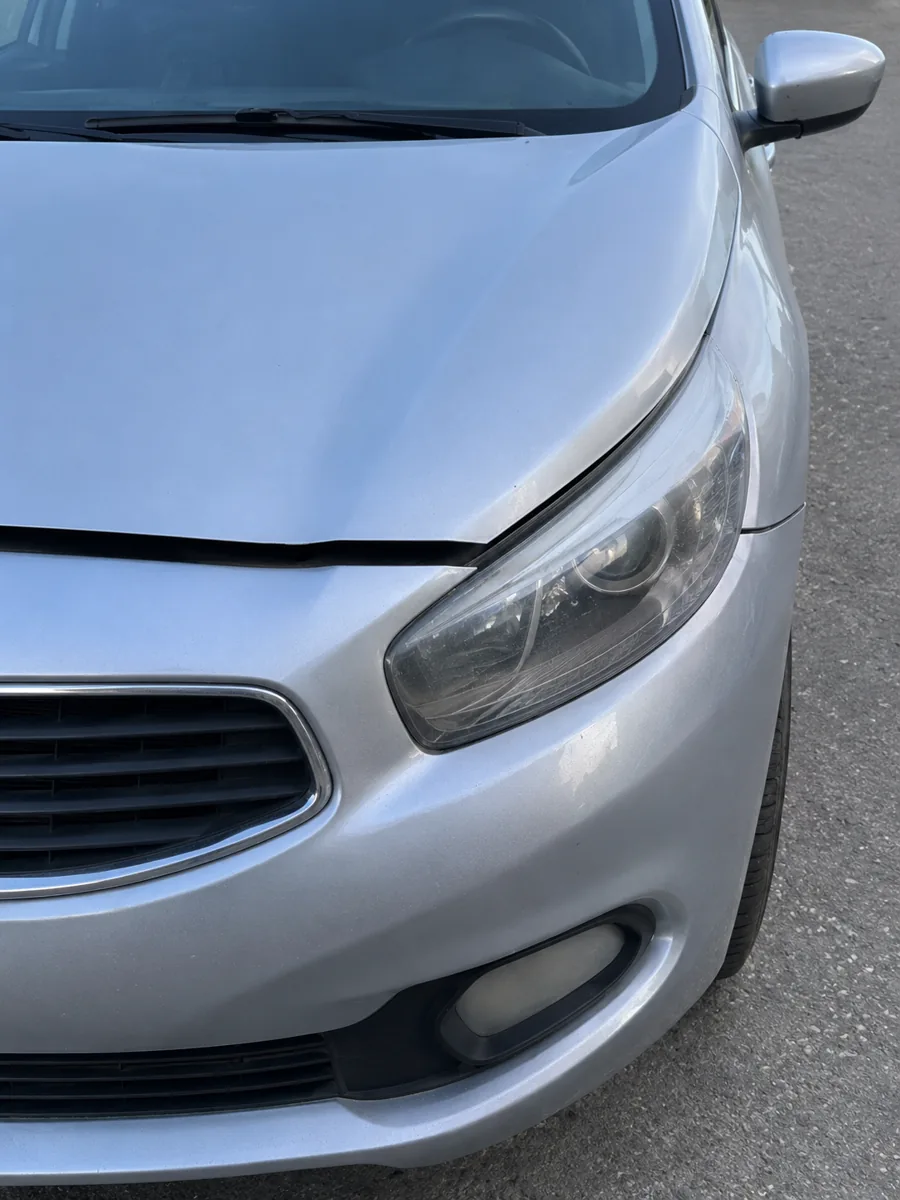
Illustrative photo: this bonnet sits out of line, so the gap to the bumper is uneven.
How to check
- Gaps: uneven gaps between the doors, wings, bonnet and boot suggest a previous repair or a replaced part.
- Colour: look at a door and wing side by side in direct sunlight, where differences in shade are easier to spot.
- Magnet: a small magnet won't stick over body filler, so it's a free check if you don't have a gauge.
- Paint thickness gauge: it identifies panels that have been repainted or repaired, even when you can't see it. Compare panels with each other rather than looking for a single reading, because figures vary between manufacturers.
What you'll hear
- "Fabrika": sellers use this word for individual panels, so a listing might say fully fabrika except one wing. Don't rely on the word alone. Ask exactly which panels they mean, and have them show you.
- "Rash dawakhel": the inner areas have been repainted, such as the pillars, engine bay and boot. This could follow repairs after a serious accident, or rust removal and repainting, and the phrase alone doesn't tell you which. Ask why.
- "Mefare2": the bonnet or wing doesn't sit properly, and the gap around it is uneven. This usually comes from an old repair or a replaced part, so ask what happened.
- "Chassis": the car's underlying structure. Welding or major repairs there usually result from a serious accident.
What to watch for
- A different colour doesn't mean a big accident: the panel may have been repainted to cover a scratch. Ask why it was repaired, and negotiate the price rather than judging by the colour alone.
- Pillars matter more than anywhere else: they protect the people inside in an accident or rollover. Look closely at them and the welds around them.
Our pick: An outer panel repaint is a negotiation. Welding on the chassis or pillars? Walk away.
See used cars for sale to compare with another car of the same model.
Engine and gearbox: the test drive
Starting the car while it's parked isn't enough. In our review, we test in 2 stages: first with a cold engine, for faults that appear on the first start, and again after a drive when it's hot, for faults that only appear under load.
When it's cold
- Smoke: thin white vapour on the first start is normal. Persistent thick white smoke can mean coolant is entering the combustion chamber, blue or grey smoke means oil is burning, and black smoke means too much fuel.
- Oil and coolant: check the levels, and look for leaks under the car and under the bonnet.
- A spotless engine: don't assume this is a good sign, because cleaning the engine or changing the oil before a sale can hide noises.
Once it's hot
- Automatic gearbox: it should engage almost immediately in D and R, and shift smoothly without shuddering or delay. On the
 Nissan Sunny, for example, it engages slowly from a stop, so try it several times on your drive.
- CVT, as in the
 MG 5: feel for shuddering or jolts as you pull away, hesitation when you accelerate, or rising revs without a corresponding increase in speed.
- Brakes and steering: check how stable the car feels, how quickly the steering responds and how well it brakes, and listen for noises over bumps, during acceleration and when braking.
- Temperature: let the engine run for up to half an hour, and check that the temperature stays steady and it still sounds normal.
Our pick: If the seller won't let you take a real drive, treat the car as not for sale.
If you want an automatic, see automatic cars for sale.
Car inspection report: what it must say
A good car inspection report tells you what needs fixing on the car, rather than simply saying it looks nice. Based on our review, this is the minimum to ask of a centre before you pay, and the centre should be independent, with no ties to the seller.
It must cover
- Engine and gearbox.
- Suspension and brakes.
- Electrics and AC.
- Oil leaks and abnormal noises.
- Body and signs of accidents.
Ask about the computer scan
- Faults: a computer scan of the engine, gearbox, ABS and airbags shows stored faults that may not appear during the drive.
- Odometer: an OBD2 scanner can read the mileage from the car's computer. Accuracy varies between cars, so compare the reading with cabin wear and service invoices.
An inspection report is not the traffic inspection certificate
The traffic technical inspection is part of licensing a car, and its known reasons for failure relate to safety, such as lights, brakes, tyres and exhaust. In our reading, passing it doesn't mean the car has never been in an accident, so don't use it as a substitute for a pre-purchase inspection.
Our pick: Ask for the report in writing from an independent centre, and negotiate every item in it before you pay.
After the inspection, see buying a used car on instalments if you're paying in instalments, or used cars for sale if you're still looking.
Faults to check by model
The general sheet works for any car, but each model has its own known weak point. These checks come from our review of known faults for each generation in the Hatgebk catalogue, covering cars common on the used market. Open your model's page for the rest.
 Nissan Sunny, N16 generation (2008–2013): drive it until the engine is hot, then park safely, switch off and restart, because the engine can stall when hot and refuse to start until it cools. Listen on the first cold start too, because a rattling chain means the oil pressure or chain tensioner needs checking.
 Chevrolet Lanos: ask when the timing belt was last changed, because the belt and camshaft are known weak points. If there's no invoice, budget for a new belt.
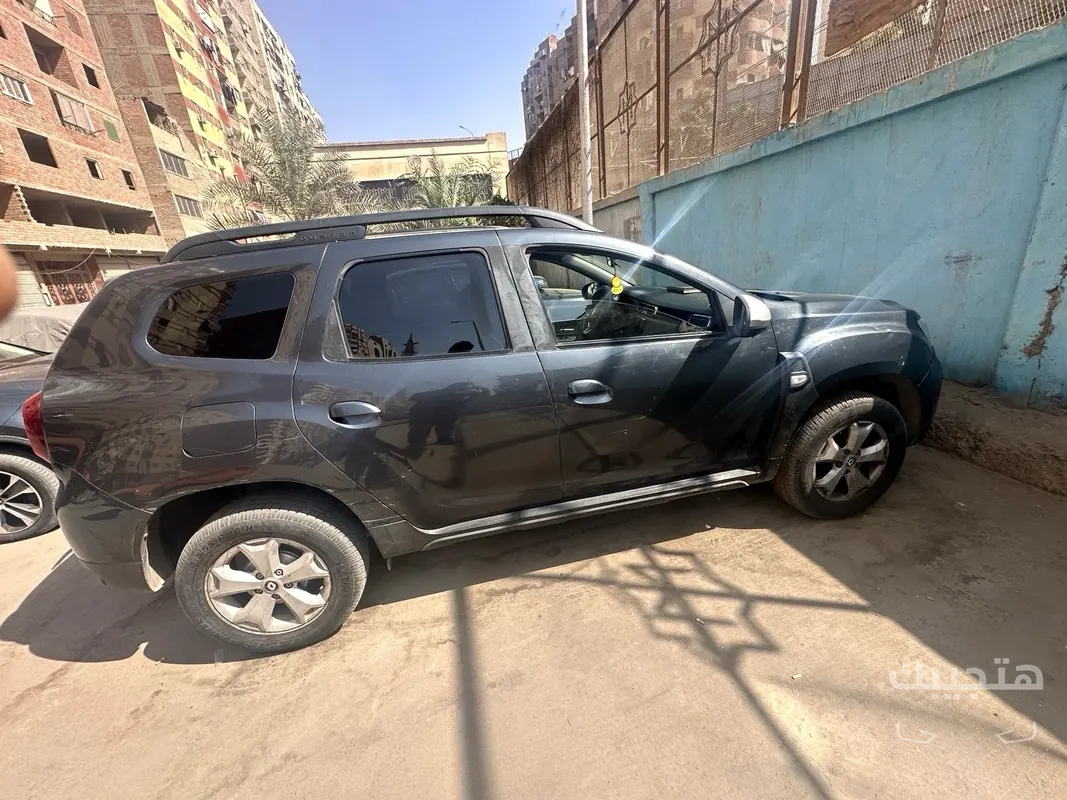
 Renault Duster: check for rust on 2012–2013 models before you pay, because it's a known issue on models from those years.
 Kia Picanto: the automatic gearbox has a known problem on 2009–2013 models, so choose the manual.
 BYD F3: check the brakes carefully, because they're one of its known weak points.
 Fiat Tipo: the 1400 engine is known to use oil, so check the level and have a service centre check it promptly if it drops quickly.
 Hyundai Elantra: in 2017, both the old-shape Elantra and the AD were on the market, so make sure the car you're viewing is an AD.
Our pick: Read your model's known faults before the viewing, and check those first.
On sale now:
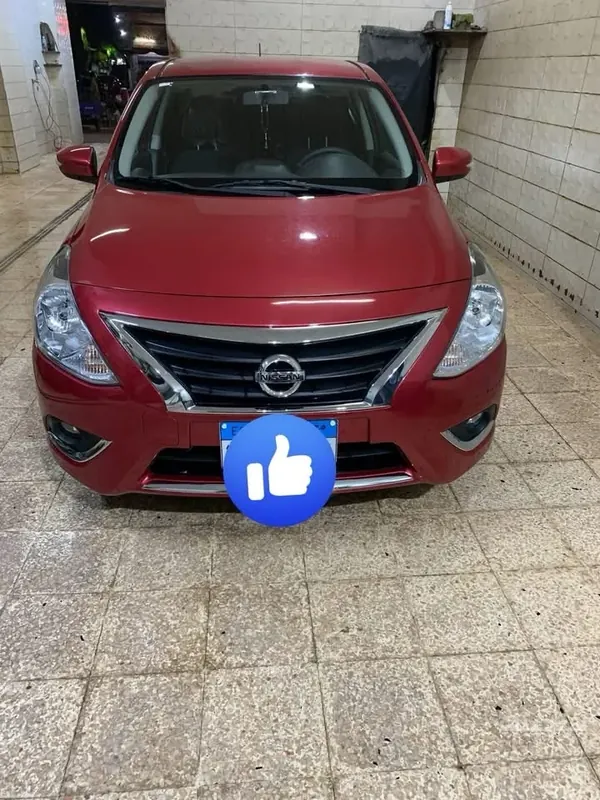
Nissan Sunny 2026
EGP800,000
- 70k km
- Automatic
- 1 day ago
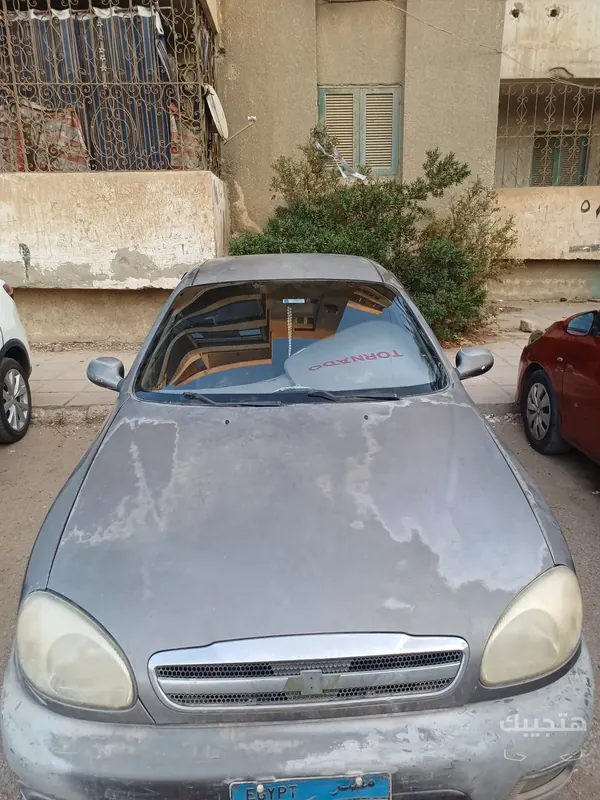
Chevrolet Lanos 2014
EGP380,000
- 152k km
- Manual
- Listed today
Renault Duster 2019
EGP640,000
- 200k km
- Automatic
- 2 days ago
When to walk away from the deal
Not every fault means you should walk away. In our review, repairable faults are reflected in the price, but the following make us reject a car even at a good price, because the cost is unknown or they can create legal obstacles.
- The seller refuses an independent inspection: there's no good reason for this, and they're usually hiding something.
- The chassis or engine number doesn't match the papers: you'll run into problems transferring ownership, and it can indicate forgery.
- A major fault in the chassis or engine: the repair can cost more than you saved on the purchase price.
- The licence isn't in the seller's name and there's no power of attorney: you can't establish who has the right to sell.
- The year isn't what they claim: the chassis number identifies the original production year, and parts or badges can be swapped to make a car look newer.
Once you agree on the deal, don't rely on a preliminary contract alone: ownership is transferred through the notary office and the traffic unit, or the car remains in the seller's name.
Our pick: If any of these 5 shows up, leave the car and look for another.
Still choosing? Start with the best used car under 500K or the best car under 1 million EGP, and see used cars for sale.
Frequently asked questions
Does the traffic inspection certificate replace a pre-purchase inspection?
No. The traffic certificate is part of licensing, and its known reasons for failure relate to safety. In our reading, passing it doesn't mean the car has never been in an accident, so get an independent inspection.
Can I trust the odometer?
Not on its own. Compare it with the wear on the steering wheel, seats and pedals and with the service invoices, and if possible, have a centre read the mileage using an OBD2 scanner.
Does a different colour on one panel mean an accident?
Not necessarily. The panel may have been repainted to cover a scratch, so ask why it was painted. Welding on the chassis or pillars is what makes us walk away.
Do I need a paint thickness gauge?
Not on a first viewing, because gaps, colours and a magnet can reveal a lot. The gauge can detect a repaint you can't see, so compare its readings across panels.
Should I pay a deposit before the inspection?
No. Don't transfer money before the inspection, and don't pay a deposit without a notarised contract or a receipt.
Guide updated Written by Hatgebk teamprices update themselves whenever they change