
Buying a used car in instalments: how to work it out
By Hatgebk team

We reviewed used-car finance terms published by Egyptian banks and finance companies and the Financial Regulatory Authority's guide, and worked out the examples ourselves.
Used car instalments in short
If you're buying a used car in instalments, the number that matters isn't the rate in the ad. It's the total you pay by the last instalment. At Hatgebk, we reviewed terms published by Egyptian banks and finance companies, calculated the examples ourselves, and came up with 4 rules.
- Compare totals: include the down payment, all instalments, all fees and any insurance paid separately, using the same car, down payment and term.
- Ask whether the rate is flat or declining: 15% flat costs about the same as 24.7% declining in our example below.
- Don't sign a trust receipt or blank papers: consumer finance companies are banned from asking for them, and being asked is reason enough to walk away.
- Find out who is lending: a dealer or website may refer you to a bank or a company, each with different terms.
Our pick: Ask for the full repayment schedule, work out the total and compare. The lowest written total is the best offer, not the lowest rate in an ad.
See used cars for sale and choose the car first, because the finance is calculated based on its price.
Car instalments: bank, company or dealer
Used car instalments in Egypt are available through 3 routes, and the rate isn't the only difference. Based on our review, start with a bank if you can prove your income, because the terms are in writing and the rate is quoted as declining, and go to a finance company if the down payment is the difficulty.
- Bank: in one Egyptian bank's used-car terms we reviewed, finance covers up to 60% of the car's value, so you put down at least 40%, the term runs up to 7 years, and the instalment can't exceed 50% of your income.
- Finance company: in one finance company's offer we reviewed, the down payment starts at 20% and the term runs up to 6 years. A lower down payment means paying interest on a larger amount, so work out the total.
- Dealer: direct instalments from the dealer, or through a lender it works with. Ask exactly who the lender is, and read the dealers section below.
What to watch for
- Big numbers in ads: they may only apply to new cars. Some ads offer finance up to 100% and terms of 10 years, so ask specifically for the used-car terms, because the limits are usually lower.
- Car age: ask whether there's a limit on the car's age at the end of the finance term before you agree with the seller, so you aren't surprised if the car is rejected.
- Licence: with a consumer finance company, ask about its licence from the Financial Regulatory Authority before you sign.
Our pick: Steady income and a big down payment? Start with a bank. A small down payment? Compare finance companies on the total.
If you've set your budget, start with used cars under 500K.
On sale now:

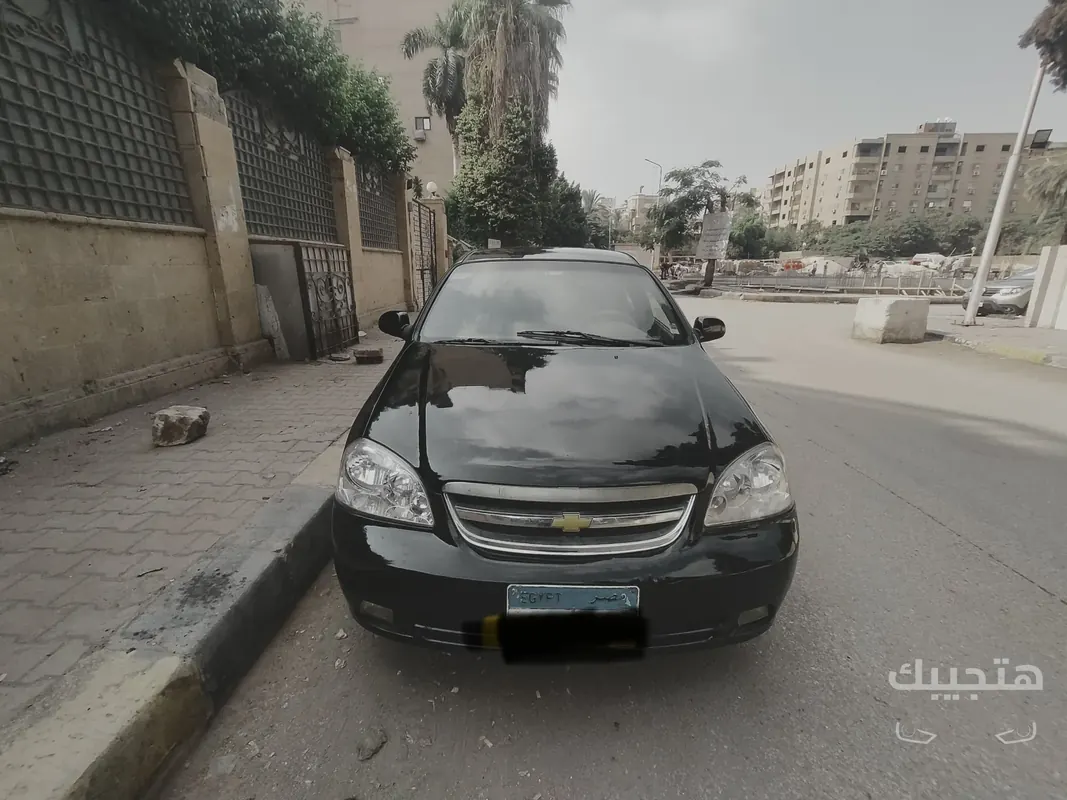
Chevrolet Optra 2009
EGP395,000
- 300k km
- Automatic

How to work out a used car instalment
The maths isn't hard, and you can do it on your phone before you sit down with anyone. The difference comes down to 2 ways of quoting the rate, so we calculated one example both ways. The figures here are percentages of the car's price, and the rates are for illustration, not market quotes.
Illustrative photo: work out the instalment yourself, with the schedule in front of you.
Flat rate
Interest is charged on the full amount for the whole term, including the part you've already repaid: interest = amount financed × rate × years. The instalment = (amount + interest) ÷ months.
Declining rate
Interest is charged only on what you still owe, so the interest amount falls with each instalment. You can get the instalment amount from a loan calculator or the repayment schedule, which you should ask for in writing.
Example: 30% down over 5 years
Apply it to a real car: a 2019  Hyundai Elantra has a market price of EGP 800,000–860,000 (Market range for the 2019 model year · Hatgebk market research · as of October 26), so work out these shares from that figure.
- 15% flat: interest is 52.5% of the car's price, the instalment is 2.04% of the price each month, and the total including the down payment is 152.5% of the price.
- 15% declining: interest is about 30% of the price, the instalment is about 1.67% each month, and the total is about 130%.
- So: 15% flat costs about the same as 24.7% declining. The same figure in the ad can make a big difference to what you pay.
What to watch for
- Admin fees: in our example, a fee of 2.5% of the amount financed raises the true rate from 24.7% to about 26%. Ask how it's paid, and whether it's deducted from the finance.
- Early settlement: in one bank's terms we reviewed, the charge is 10%, and with a flat rate, paying half the instalments doesn't mean you've repaid half the debt. In our example, after 30 months the remaining principal at the equivalent rate is about 45% of the price, not 35%, so ask the lender for the exact settlement figure.
Our pick: Turn every offer into a total in pounds, over the same term, before you compare it with another.
Try the calculation using a real price from used cars for sale.
Car instalments with no interest or no down payment
No-interest car instalments do exist, but not in the way the ads suggest. In our review, the cost usually appears elsewhere: a big down payment, a short term, a higher price, or fees and insurance.
- Real zero: one bank offer we reviewed at zero profit required 50% down, ran for up to 36 months, covered selected cars at one dealer, and was available for a limited period. So the offer is real, but only for cars on a list, not the whole market.
- The raised price: if 70% of the price is spread over 5 years at "zero interest" but you repay 84%, you're paying about 7.4% declining, even if the offer says zero. Always compare with the cash price.
- No down payment: this wasn't available in the bank terms we reviewed for used cars, and a smaller down payment means paying interest on a larger amount. So if someone offers no down payment, ask what the total comes to.
What to watch for
- Ask for the cash price in writing: it shows whether interest is hidden in the price.
- Ask about insurance and fees: a lower rate can be offset by higher insurance costs or fees, so include them in the total.
Our pick: "No interest" means ask for the cash price. If the total is higher, there is interest.
Compare the cash price of any car on used cars for sale.
Used car dealers with direct instalments
Dealers with direct instalments make things easy, but this is where you need to read every document before signing. In our review, what you sign matters more than the instalment amount, because the risk can go beyond the debt itself.
Illustrative photo: read every paper before you sign it.
- Trust receipt: don't sign one. The Financial Regulatory Authority's guide bans consumer finance companies from asking for trust receipts or blank signed papers, but that rule applies to those companies, so a dealer may still ask. A trust receipt can lead to a criminal case rather than just a debt, so show it to a lawyer before signing anything.
- Blank papers: there's no good reason to sign an empty page, because you have no control over what's written on it afterwards.
- Sale restriction: some lenders impose one until the last instalment and some don't, so ask. If there is one, keep the lender's original letter lifting it, because you'll need that document at the traffic unit once you've finished paying.
Ask the dealer
- Who is financing this: the dealer, a bank or a company?
- Whose name will the car be in, and when?
- What happens if I'm late with an instalment?
Our pick: If a dealer asks for a trust receipt or a blank paper, drop the offer and compare another.
Before you sign, check the car with the used car inspection sheet, because you still have to pay the instalments even if a fault turns up. Compare other offers on used cars for sale.
Best car finance company: how to compare
We won't name the best car finance company, because offers change, and what's best for you depends on your income, your down payment and the car itself. Our review shows that these questions help you see the real difference between any 2 offers in one sitting.
- Is the rate flat or declining? What is the equivalent declining rate?
- What is the total I'll pay according to the full repayment schedule?
- What fees are there, and are they paid up front or deducted?
- What insurance is required, for how long, and who chooses the insurer?
- What is the early-settlement charge, and how is the balance calculated?
- Is there a sale restriction? Who issues the letter lifting it after the last instalment?
- For a used car: is there a limit on the car's age, and does it need a valuation?
- Who licenses you?
- Do you ask for trust receipts, cheques or blank papers?
Why these questions
Consumer finance companies are required to make the repayment schedule, costs, fees and risks available for you to review before you sign. If a lender refuses to give you the schedule in writing, that is an answer in itself.
Our pick: Same car, same down payment, same term, and the lowest total wins.
Choose the car first from used cars for sale, so you can compare using a real price.
Documents needed for car instalments
Get your papers ready before you apply, so approval isn't delayed and you don't lose the car. This list comes from one Egyptian bank's terms we reviewed, and any lender may ask for more, so check.
Everyone
- A copy of a valid national ID.
- A recent utility bill.
If you're salaried
- A certificate showing your salary breakdown.
- Your employer's commitment to transfer your salary or instalment, if the lender asks for it.
If you run a business or a profession
- A tax card.
- A licence to practise, for a profession.
- A recent commercial register extract.
- Bank statements for the last 6 months.
The car
- A price quote approved by the dealer. If you're buying from a private seller, ask how the lender handles this before you agree, because lenders handle it differently.
Our pick: If you're buying from an individual, ask about this first, before paying a deposit.
Already looking? See used cars for sale.
Before you sign for instalments
The last step before signing is the one that saves you the most. You still have to pay the instalments whatever happens to the car, which is why we inspect before signing, not after.
- Inspect the car: use the used car inspection sheet, and get a report from an independent centre.
- Read the repayment schedule: and check that it matches the verbal offer.
- Ask about insurance: the Financial Regulatory Authority's guide requires consumer finance companies to provide cover for death and total disability up to age 65 on the balance owed, so ask who pays and whether the cost is included in the instalment.
- Know who collects from you: you have the right to know which collection company is involved and how to verify a collector's identity.
Our pick: The car inspected, the schedule in your hand, and no blank papers. Otherwise, wait.
Still choosing the car itself? The 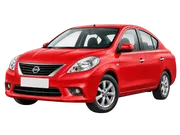 Nissan Sunny and Hyundai Elantra are among our used picks. Start with the best used car under 500K or the best car under 1 million EGP, and see used cars for sale.
On sale now:
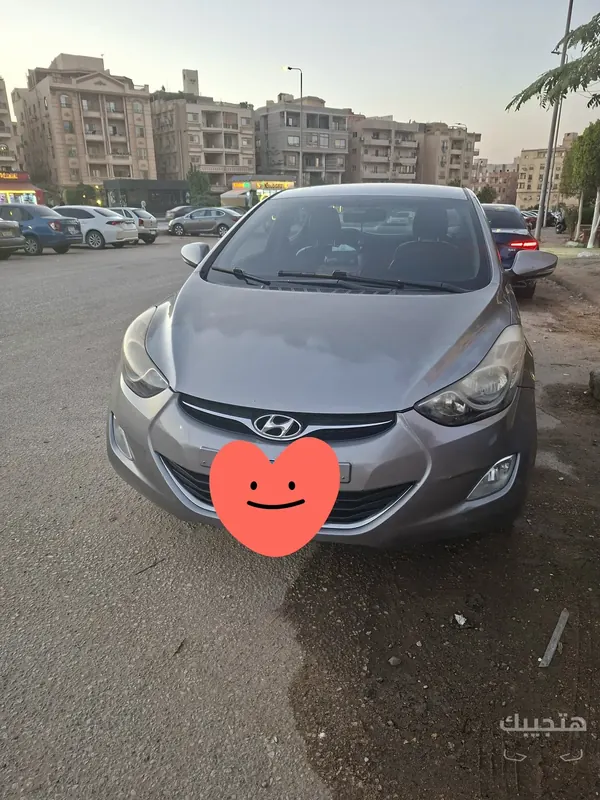
Hyundai Elantra 2012
EGP760,000
- 155k km
- Automatic
- Listed today
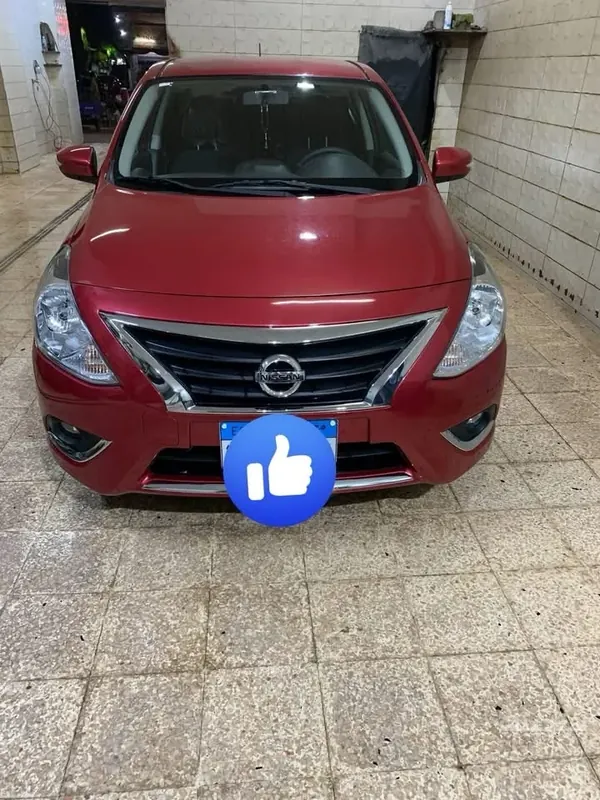
Nissan Sunny 2026
EGP800,000
- 70k km
- Automatic
- 1 day ago
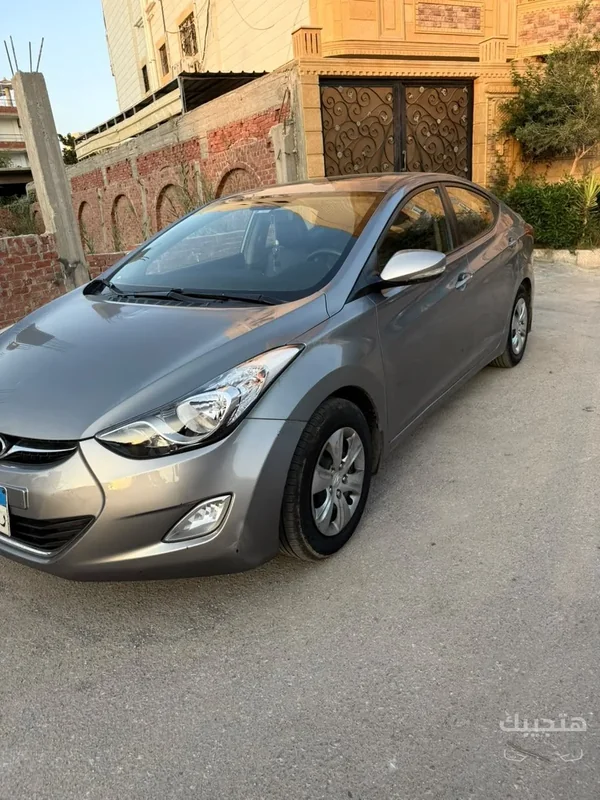
Hyundai Elantra 2012
EGP680,000
- 102k km
- Automatic
Frequently asked questions
Can I buy a used car in instalments with no down payment?
Not under the bank terms we reviewed, and the finance company we reviewed required a down payment starting at 20%. If someone offers no down payment, ask for the total, because borrowing a larger amount means paying more interest.
Is a flat rate better than a declining one?
Don't compare the 2 figures directly. 15% flat is about the same as 24.7% declining in our example, so calculate the total for each and compare.
Can a business owner or professional get instalments?
Yes, at the bank we reviewed, but you need a business history: a commercial register at least 2 years old, a tax card and 6 months of bank statements.
Should I sign a trust receipt for a dealer?
Don't. It can lead to a criminal case rather than just a debt, and consumer finance companies are banned from asking for one. If you feel you have to, show it to a lawyer first.
Can I pay off the car early?
Usually, but there is a charge. It's 10% in one bank's terms we reviewed, so ask for the exact settlement figure, because paying half the instalments doesn't mean you've repaid half the debt.
Guide updated Written by Hatgebk teamprices update themselves whenever they change