
The cheapest cars to run under 1 million EGP
By Hatgebk teamUpdated 12 min read

We reviewed new and used cars under 1m. We calculated yearly fuel and oil-change costs for each engine and gearbox using the consumption and servicing figures on our car pages.
The cheapest car to run under 1 million EGP is the 2017–2021 Kia Picanto automatic: 5.3 L/100 km, or about 19 km a litre. First and last in our table differ by about 23% a year. The assumptions below the table let you work out costs for the distance you drive.
Our picks at a glance
This page ranks cars by what they cost you after you buy them. If you want the cheapest car to buy, see best car under 1 million EGP.
| Car | L/100 km (km per litre) | Fuel a year | Oil changes a year | Total a year (a month) | Price |
|---|---|---|---|---|---|
1. 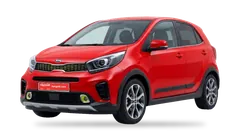 Kia Picanto automatic, 2017–2021 | 5.3 (18.9 km) | EGP 17,700 | EGP 1,200 | EGP 18,900 (1,600) | 2019: EGP 665,000–729,000 (Market range for the 2019 model year · Hatgebk market research · as of November 4) |
2. 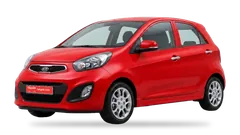 Kia Picanto automatic, 2016–2017 | 5.5 (18.2 km) | EGP 18,400 | EGP 1,200 | EGP 19,600 (1,600) | 2016: EGP 553,000–582,000 (Market range for the 2016 model year · Hatgebk market research · as of November 8) |
3. 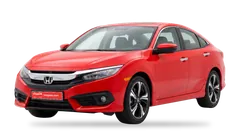 Honda Civic CVT, 2016–2017 | 5.4 (18.5 km) | EGP 18,000 | EGP 2,000–2,200 | EGP 20,100 (1,700) | Used |
4. 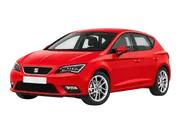 SEAT Leon 1.2 turbo DSG, 2016–2020 | 5.5 (18.2 km) | EGP 18,400 | EGP 2,200 | EGP 20,500 (1,700) | 2019: EGP 895,000–900,000 (Market range for the 2019 model year · Hatgebk market research · as of October 11) |
5. 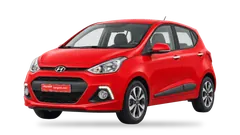 Hyundai i10 manual, 2016–2017 | 5.5 (18.2 km) | EGP 18,400 | EGP 2,300 | EGP 20,700 (1,700) | 2017: EGP 514,000–543,000 (Market range for the 2017 model year · Hatgebk market research · as of November 14) |
6.  Opel Crossland automatic, 2020–2023 | 5.4 (18.5 km) | EGP 18,000 | EGP 2,000–3,500 | EGP 20,800 (1,700) | 2023: EGP 847,000–989,000 (Market range for the 2023 model year · Hatgebk market research · as of November 4) |
| 7. SEAT Leon 1.4 turbo DSG, 2016–2020 | 5.9 (16.9 km) | EGP 19,700 | EGP 2,200 | EGP 21,900 (1,800) | 2019: EGP 895,000–900,000 (Market range for the 2019 model year · Hatgebk market research · as of October 11) |
8.  Suzuki Ciaz automatic, 2022–2025 | 6 (16.7 km) | EGP 20,000 | EGP 1,500–2,200 | EGP 21,900 (1,800) | 2025: EGP 869,000–941,000 (Market range for the 2025 model year · Hatgebk market research · as of November 4) |
9. 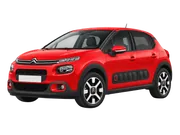 Citroën C3 1.2 turbo automatic, 2020–2024 | 6 (16.7 km) | EGP 20,000 | EGP 2,000 | EGP 22,100 (1,800) | Used |
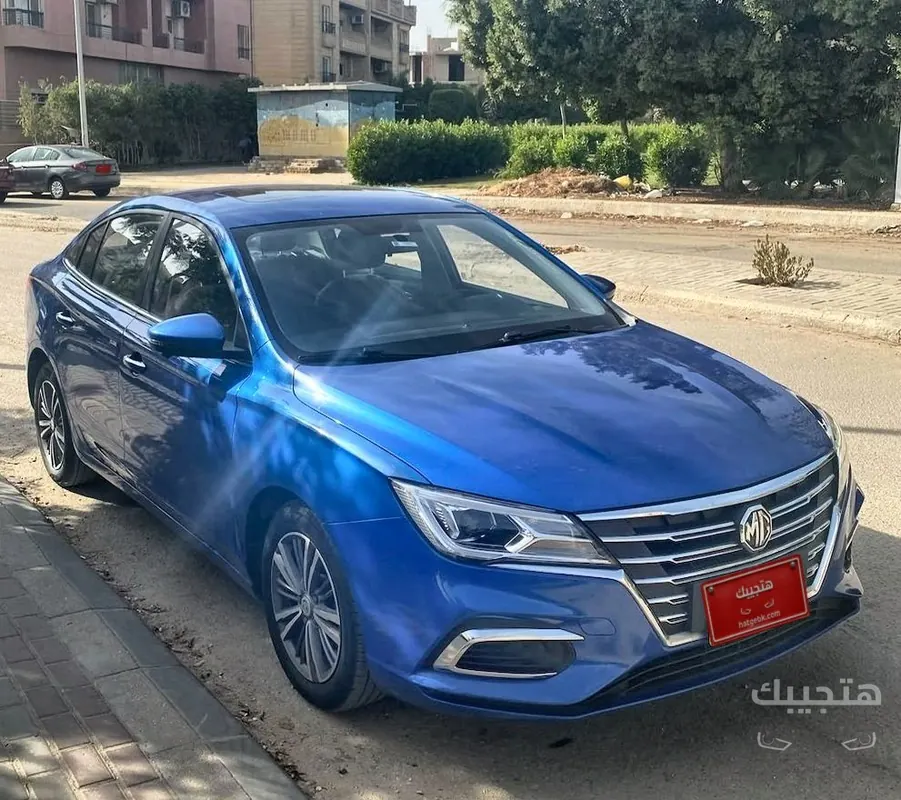
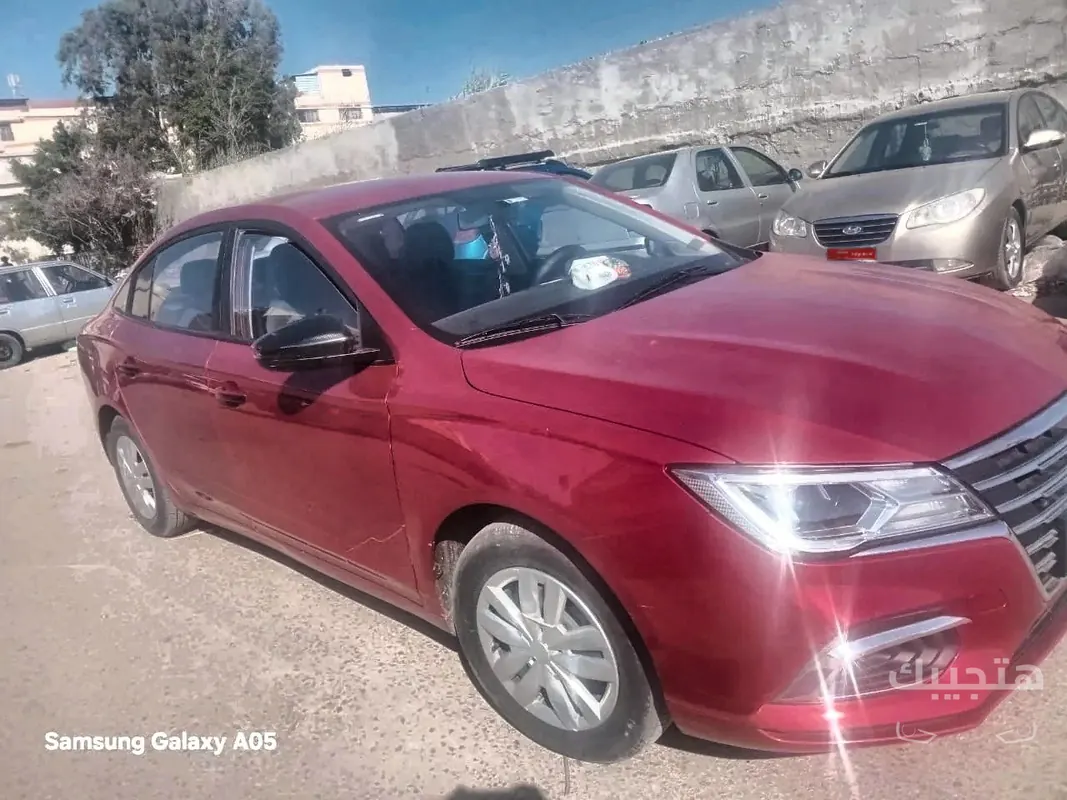
10.  MG 5 CVT, new | 5.8 (17.2 km) | EGP 19,400 | EGP 2,200–3,800 | EGP 22,400 (1,900) | New: EGP 889,990 (Official distributor price · as of October 15) |
| 11. Hyundai i10 automatic, 2016–2017 | 6 (16.7 km) | EGP 20,000 | EGP 2,300 | EGP 22,400 (1,900) | 2017: EGP 514,000–543,000 (Market range for the 2017 model year · Hatgebk market research · as of November 14) |
12. 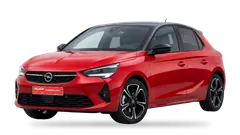 Opel Corsa 1.2 turbo automatic, 2021–2024 | 6 (16.7 km) | EGP 20,000 | EGP 1,800–3,000 | EGP 22,400 (1,900) | Used |
13. 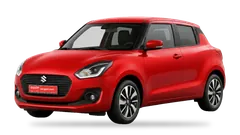 Suzuki Swift AGS automated manual, 2020–2024 | 6 (16.7 km) | EGP 20,000 | EGP 1,800–3,000 | EGP 22,400 (1,900) | 2024: EGP 757,000–786,000 (Market range for the 2024 model year · Hatgebk market research · as of November 10) |
14. 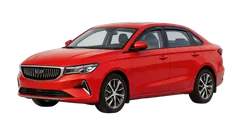 Geely Emgrand 7 automatic, new | 6.4 (15.6 km) | EGP 21,400 | EGP 1,200–1,800 | EGP 22,900 (1,900) | New: EGP 839,000 (Official distributor price · as of August 3) |
15.  Ford Fiesta 1.0 turbo automatic, 2018–2019 | 5.5 (18.2 km) | EGP 18,400 | EGP 3,800–6,000 | EGP 23,200 (1,900) | 2019: EGP 611,000–728,000 (Market range for the 2019 model year · Hatgebk market research · as of November 19) |
The gap between the first and last car in the table is EGP 4,300 a year. Fuel accounts for most of the difference between the most fuel-efficient cars and the rest, with oil changes making up the balance. If you drive 30,000 km a year, double the fuel and oil-change figures; the order stays the same.
| Need | Our pick | Model years | Price | Why, in one line |
|---|---|---|---|---|
| Cheapest to run | Kia Picanto | 2017–2021 | 2019: EGP 665,000–729,000 (Market range for the 2019 model year · Hatgebk market research · as of November 4) | EGP 18,900 a year in fuel and oil changes, automatic |
| New | MG 5 | New | EGP 889,990 (Official distributor price · as of October 15) | 5.8 L/100 km and a CVT automatic |
| Automatic | Kia Picanto | 2017–2021 | 2019: EGP 665,000–729,000 (Market range for the 2019 model year · Hatgebk market research · as of November 4) | The cheapest automatic to run in the table |
| Family car | Honda Civic | 2016–2017 | Used | A saloon for five adults at 5.4 L/100 km |
| Crossover | Opel Crossland | 2020–2023 | EGP 847,000–989,000 (Market range for the 2023 model year · Hatgebk market research · as of November 4) | 5.4 L/100 km and one oil change a year |
How we worked out each car's fuel use and yearly running costs
The table shows what you pay each year for fuel and oil changes. Take the Kia Picanto: driving 15,000 km at 5.3 L/100 km uses 795 litres a year. At EGP 22.25 a litre, that costs EGP 17,700 in fuel. An EGP 810 oil change one and a half times a year adds EGP 1,200. We used the same assumptions for every car to make the comparison fair:
| Assumption | Value | Why |
|---|---|---|
| Cars we costed | Every engine and gearbox with a consumption figure and an oil-change cost on its page on our site, priced within the budget in at least two model years or with an official new price | Each engine and gearbox gets its own row, so no car is judged on its thriftiest engine alone |
| What the figure covers | Fuel, plus engine oil and filter changes | These costs repeat on every car; the big services have their own section below |
| Distance a year | 15,000 km | Half the cars listed on our site do under 16,000 km a year |
| Fuel price | EGP 22.25 a litre of 92-octane | The official price since 10 March 2026, held at the October 2026 review |
| Fuel grade | 92 for every car in the table | A car whose page on our site asks for 95 is costed at that price, EGP 24 |
| Consumption | The combined figure for the engine and gearbox on the car's page | The same kind of figure for every car, so the comparison is fair |
| Oil changes | Their cost and interval on the model's page, times the number of changes in 15,000 km | Where the cost is a range, the total uses its midpoint |
| Ties | A gap of EGP 1,000 a year or less | That is about 0.3 L/100 km; we then put first the car with more model years in the budget |
| Price | The market price of the newest model year within the budget that has a page on our site, or the official price of the new trim | Each price shows its date |
| Rounding | To the nearest EGP 100 | Every figure was worked out on 13 November 2026 |
How to work out your own car's fuel use: fill the tank and reset the trip meter. At the next fill-up, divide the litres you add by the kilometres you've driven, then multiply by 100. That gives your consumption per 100 km. Multiply it by the kilometres you drive a year, divide by 100, then multiply by the price of a litre.
The best economical car on fuel
To keep monthly bills low, focus on fuel and oil changes. You keep paying for both as long as you drive. In our comparison, the 2017–2021 Kia Picanto automatic was the most economical car under a million: EGP 18,900 a year over 15,000 km.
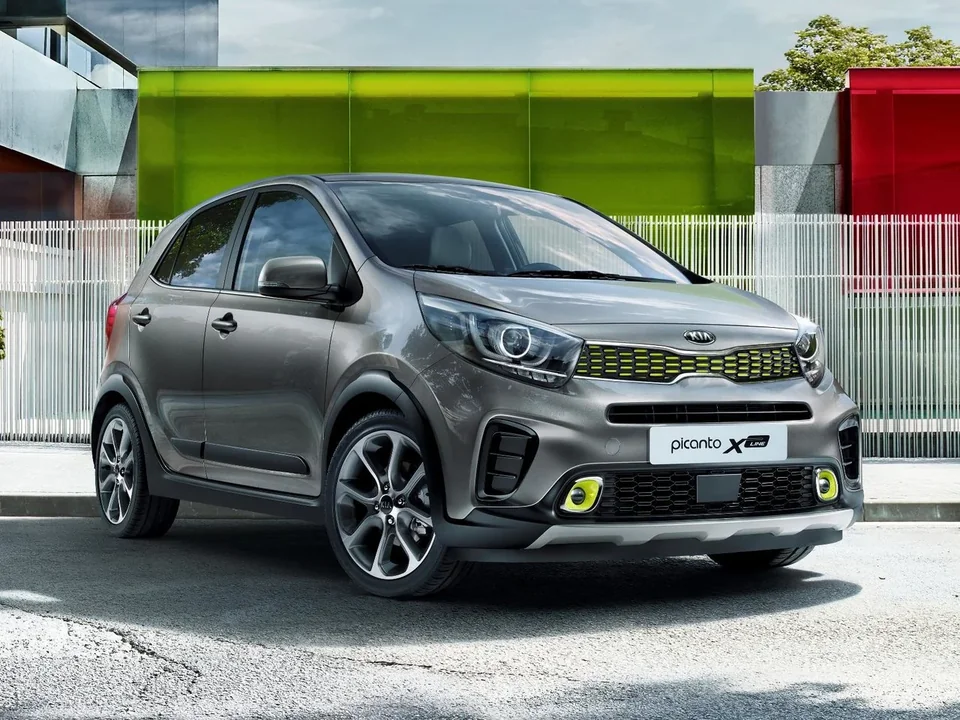
Why we picked it
- 5.3 L/100 km: about 19 km a litre, costing EGP 17,700 in fuel a year, the lowest figure in the table.
- Oil and filter for EGP 810 every 10,000 km: about EGP 1,200 a year, one of the lowest oil-change costs in our comparison.
- Easy to park, with a used market behind it: finding a parking space is easier, and there are buyers when you want to sell.
Watch out for
- The boot is small: try your usual bags in it before you buy to check there's enough room.
- Road and tyre noise gets into the cabin at high speeds: test it on a motorway within the speed limit and listen to the noise inside. You'll notice it if you travel a lot.
Why it beat the others
The Kia Picanto automatic (2016–2017) uses 5.5 litres and costs EGP 19,600 a year to run. That's only EGP 700 more, so we count it as a tie. But only two model years fit the budget, and its automatic gearbox changes gear more slowly. The Honda Civic is bigger and seats five adults while using 5.4 litres. Its oil changes cost more, bringing the yearly total to EGP 20,100.
This Picanto generation has the lowest total in the table and five model years within the budget. That made it our winner. If you carry a family or lots of luggage, the Civic is a better fit for about EGP 1,200 more a year.
If you can't find one: choose a 2016–2017 Picanto automatic and test the gearbox thoroughly before you pay.
Our pick: The 2017–2021 Kia Picanto automatic. If you need a bigger car, the 2016–2017 Honda Civic.
Other cars on sale now in the same budget:
Chery Arrizo 5 2025
EGP735,000
- 46k km
- Automatic
- Listed today

MG ZS 2021
EGP800,000
- 120k km
- Automatic
- 1 day ago

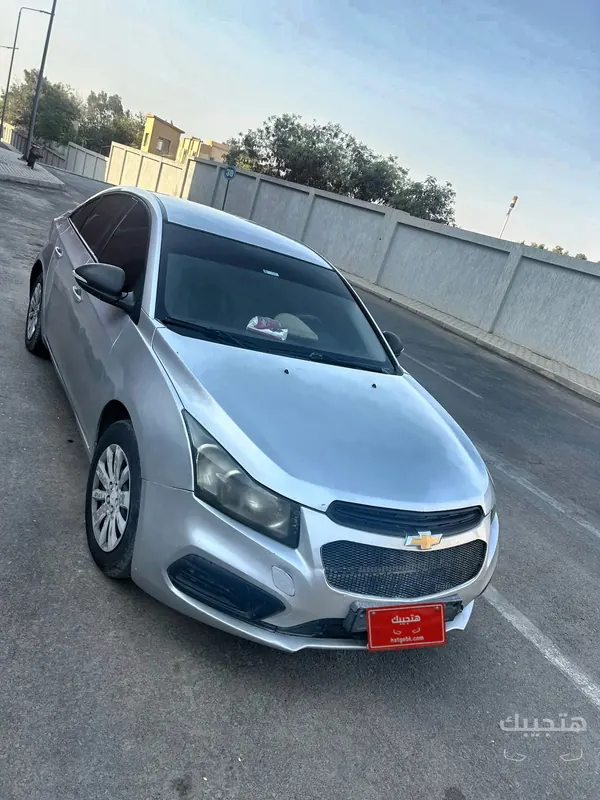
Chevrolet Cruze 2017
EGP490,000
- 180k km
- Automatic
- 1 day ago
The cheapest new car to run on fuel and servicing
For a new car, the calculation changes. The car that saves the most fuel isn't always the best deal once you compare its price with those savings. In our comparison, the MG 5 was the cheapest new car to run on fuel and servicing under a million: EGP 22,400 a year over 15,000 km.

Why we picked it
- 5.8 L/100 km: about 17 km a litre, costing EGP 19,400 in fuel a year, the lowest figure among the new cars in the table.
- CVT automatic on both trims: prices start at EGP 889,990 (Official distributor price · as of October 15) for the Comfort trim, so you get an automatic within the budget.
- A lot of equipment for the price: the trim within your budget includes features found on more expensive cars.
Watch out for
- Oil changes cost EGP 1,500 to 2,500 every 10,000 km: roughly double the Picanto's or more, so ask the dealer for the price before you buy.
- The air conditioning takes a while to cool in the heat: test it at midday after the car has been in the sun for a while. That reflects how you'll use it in summer.
Why it beat the others
The Geely Emgrand 7 is cheaper at EGP 839,000 (Official distributor price · as of August 3), and its oil changes cost less. But it uses 6.4 litres, bringing its yearly total to EGP 22,900. That's only EGP 500 more, so we count it as a tie. The MG 5 wins because used prices are available from the 2021 model onwards, giving you a clearer idea of its value when you sell.
The cheapest new car in our comparison is the 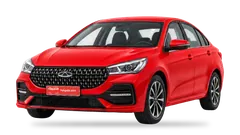 Chery Arrizo 5 manual at EGP 715,000 (Official distributor price · as of November 6). The MG 5 saves about EGP 4,000 a year, but those savings would take about 44 years to cover the price gap. If price matters most, the Arrizo 5 is cheaper overall. Choose the MG 5 for its automatic gearbox and equipment, not its fuel savings.
Our pick: The MG 5 Comfort. If price matters more to you than fuel, the Chery Arrizo 5 manual.
On sale now:

Other cars on sale now in the same budget:
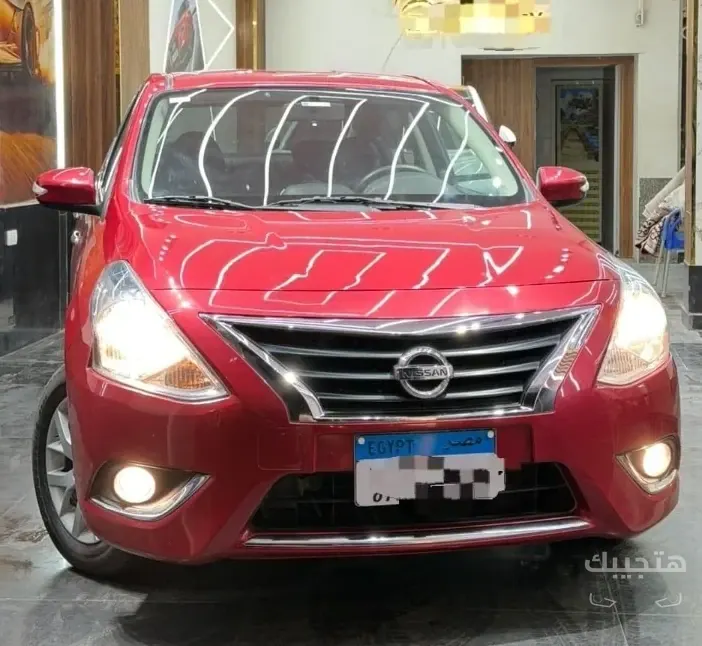
Nissan Sunny 2025
EGP850,000
- 25k km
- Automatic

The cheapest automatic to run on fuel and servicing
An automatic is easier to drive in traffic. The gap between the cheapest and most expensive to run can reach thousands a year. Here are the cheapest automatics to run in the table, in order, with what to check on each gearbox:
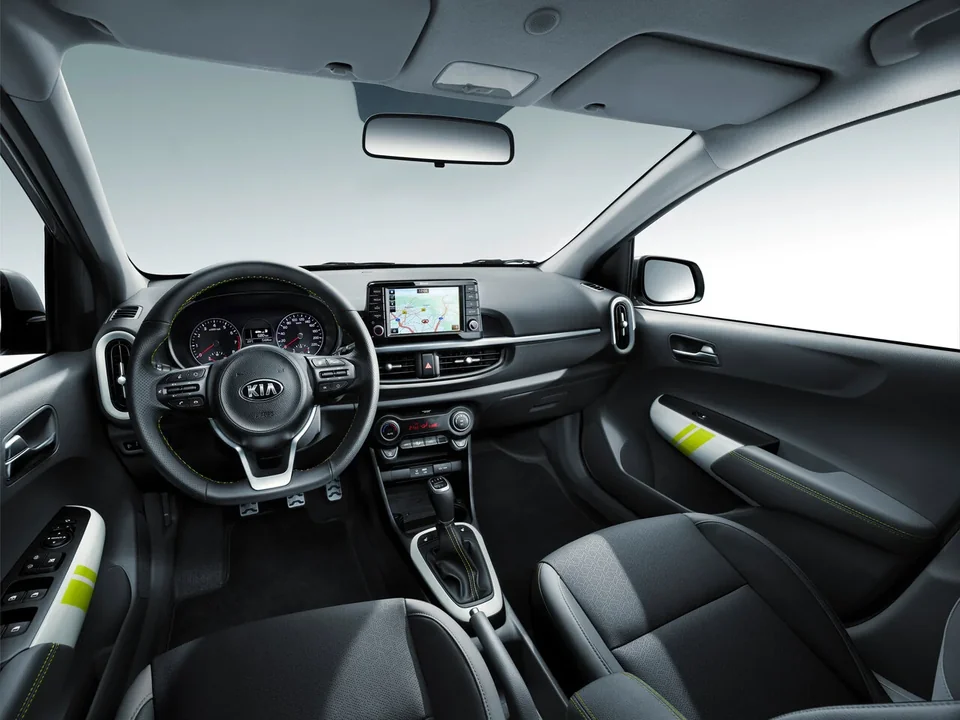
- Kia Picanto automatic: EGP 18,900 a year, making it the cheapest automatic to run in the table. Its oil changes are also among the cheapest in our comparison.
- Honda Civic with a CVT: EGP 20,100 for a bigger car that seats five adults. The CVT responds a little slowly when you pull away, so test it from a standstill.
- SEAT Leon with the 1.2 turbo and a DSG gearbox: EGP 20,500. The DSG is known to judder when pulling away, so try a hill start. If you feel a judder or jolt as it engages, don't buy it.
- Opel Crossland six-speed automatic: EGP 20,800 for a tall crossover. Its timing belt runs in oil; see the servicing section below for details.
- Suzuki Ciaz automatic: EGP 21,900, with a roomy cabin and boot. Gear changes can be a little harsh, so test it in traffic.
Why this order
We ranked them by the yearly total for fuel and oil changes. The Picanto is the smallest. If you need more space, the Civic costs only about EGP 1,200 more a year. The Leon costs EGP 300 less a year than the Crossland, which counts as a tie. Choose between them by gearbox: if DSG judder worries you, the Crossland has a conventional automatic.
Our pick: The Kia Picanto automatic. If you need a bigger car, the Honda Civic.
On sale now:
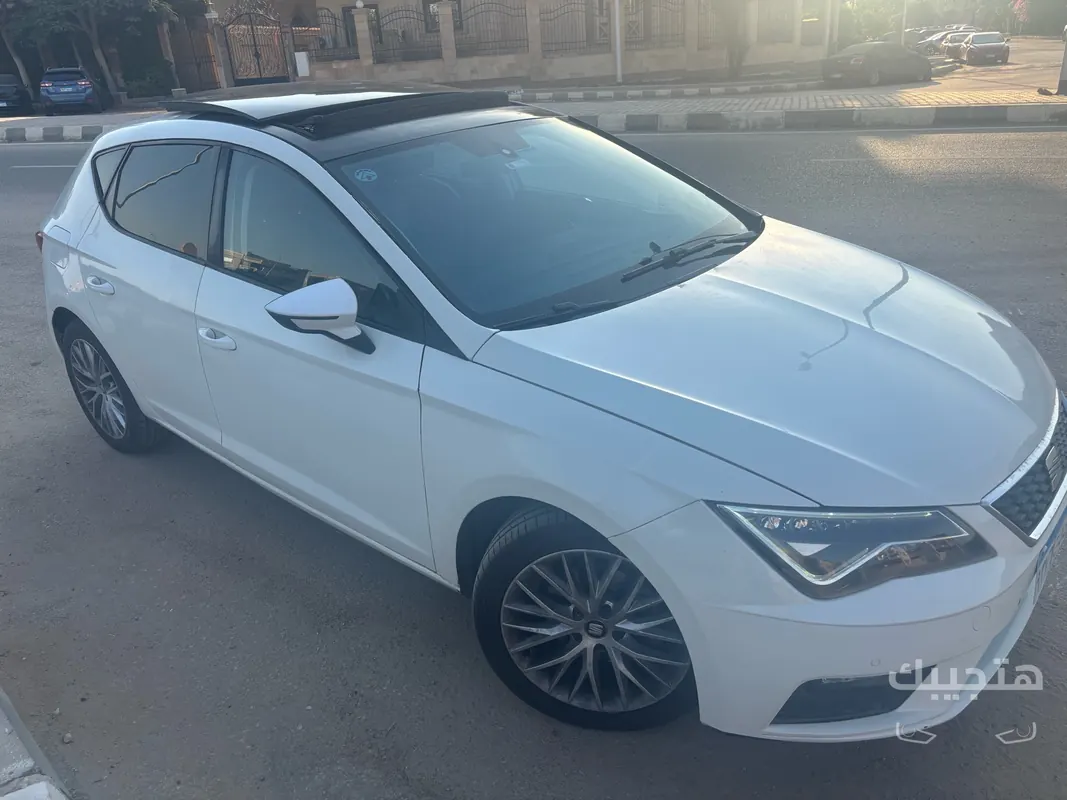
Other cars on sale now in the same budget:
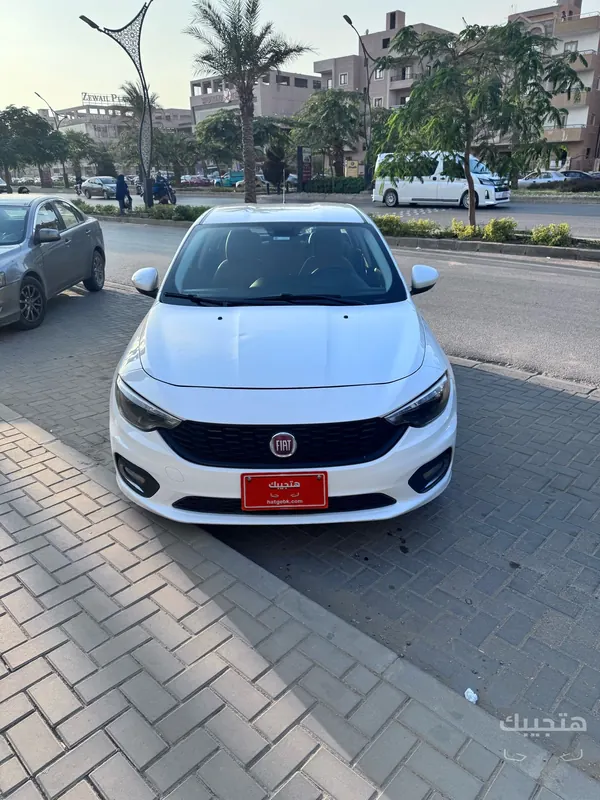
Fiat Tipo 2021
EGP760,000
- 89k km
- Automatic
- 1 day ago
An economical family car on fuel
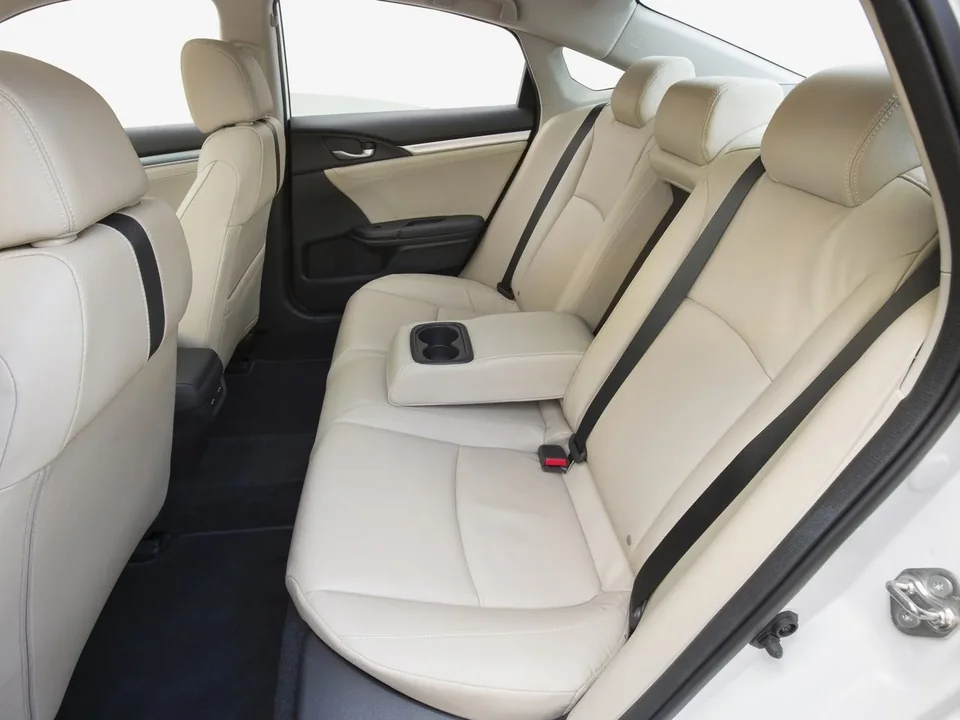
A family car needs room for five. That usually means a bigger car and more fuel. In our comparison, the 2016–2017 Honda Civic was the cheapest saloon to run under a million: EGP 20,100 a year, with room for five adults.
Why we picked it
- 5.4 L/100 km from a 1.6: the same fuel use as much smaller cars, costing EGP 18,000 a year.
- Room for five adults, and comfortable for tall people: long family trips won't feel cramped.
- Oil changes for EGP 1,300 to 1,450 every 10,000 km: EGP 2,000 to 2,200 a year.
Watch out for
- Its spare parts are expensive: check the prices of any parts the car needs before you buy. These can push up costs over time.
- The big 100,000 km service: it costs EGP 9,200 to 9,700. Ask the seller whether it's been done and ask for the invoice.
Why it beat the others
The Suzuki Ciaz is newer (2022–2025), with a roomy cabin and boot. But it uses 6 litres, bringing its yearly cost to EGP 21,900, which is EGP 1,800 more. The MG 5 is new and uses 5.8 litres. Its oil changes cost more, bringing the yearly total to EGP 22,400.
The Civic is the cheapest of the three by a clear margin and has room for the family. If you want a newer model, choose the Suzuki Ciaz.
Our pick: The 2016–2017 Honda Civic. If you want a newer model, the 2022–2025 Suzuki Ciaz.
The cheapest crossover to run on fuel and servicing
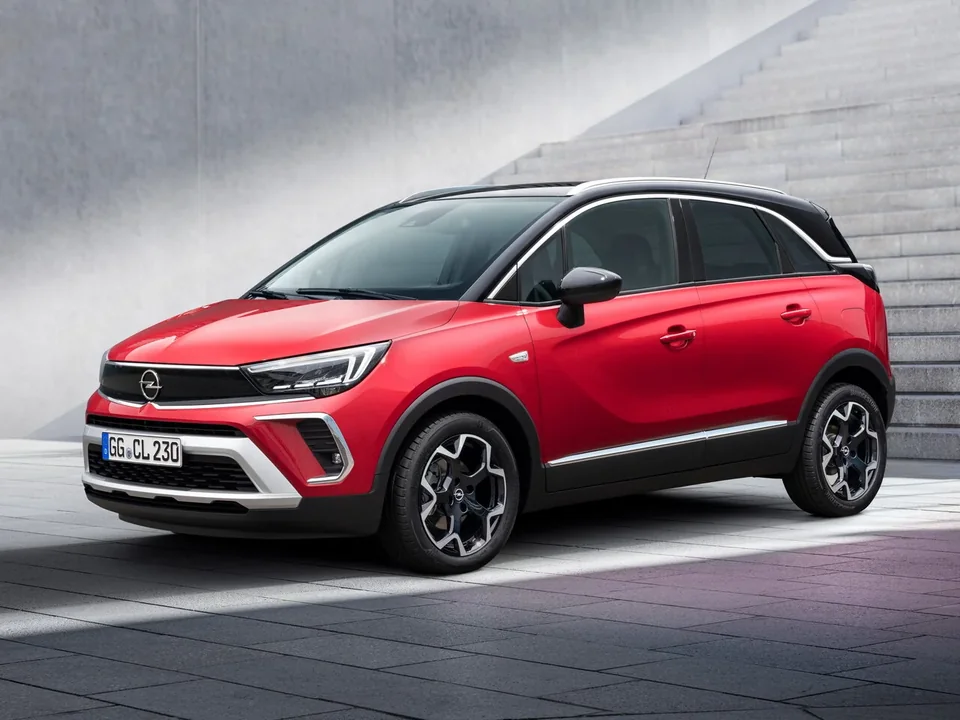
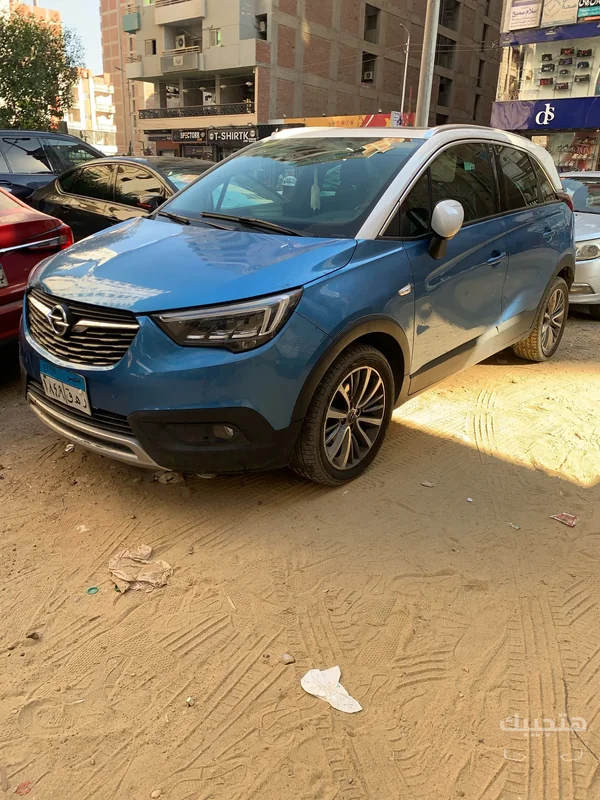
Most crossovers in our comparison cost over EGP 25,000 a year to run. The 2020–2023 Opel Crossland was the exception: 5.4 L/100 km and a total of EGP 20,800 a year.
Why we picked it
- 5.4 L/100 km: EGP 18,000 in fuel a year, similar to a smaller saloon.
- Oil-change interval of up to 15,000 km: one change a year if you drive 15,000 km, costing EGP 2,000 to 3,500.
- A 410-litre boot: enough for the family's bags on trips.
Watch out for
- The timing belt runs in oil: it needs changing with the tensioner and water pump every 60,000 km in Egyptian conditions, at EGP 6,000 to 12,000. Ask the seller when it was last changed and ask for the invoice.
- Automatic gearbox oil and filter every 60,000 km: EGP 2,500 to 4,000. Ask for the invoice from the last change.
Why it beat the others
The 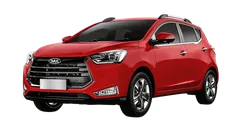 JAC JS2 is new at EGP 810,000 (Official distributor price · as of November 3). But it uses 6.5 litres and its oil changes cost more, bringing its yearly total to EGP 25,700, which is EGP 4,900 more. Over four years, that difference covers the Crossland's timing-belt change when it's due.
The Crossland is cheaper by a wide margin. If you want a new crossover, choose the JAC JS2.
Our pick: The 2020–2023 Opel Crossland. If you want a new one, the JAC JS2.
On sale now:
Opel Crossland 2022
EGP850,000
- 110k km
- Automatic

Opel Crossland 2020
EGP820,000
- 46k km
- Automatic
Easy on fuel, but dearer to service
Some cars in the table use little fuel, but servicing takes up part of the saving. Include these services when you work out how much you'll save:
| Car | Fuel a year | What it costs | How often | Cost |
|---|---|---|---|---|
| Ford Fiesta 1.0 turbo | EGP 18,400 | Engine oil and filter | Every 10,000 km | EGP 2,500 to 4,000, so EGP 3,800 to 6,000 a year, against the Picanto's 1,200 |
| Opel Crossland | EGP 18,000 | Timing belt with tensioner and water pump | Every 60,000 km in Egyptian conditions | EGP 6,000 to 12,000 |
| SEAT Leon 1.2 turbo | EGP 18,400 | The major service | Every 60,000 km | EGP 8,000 to 12,000 |
The Fiesta uses exactly as much fuel as the 2016–2017 Picanto. Its oil changes alone bring the total to EGP 23,200, which is EGP 3,600 more a year. If you drive 30,000 km a year, the 60,000 km services are due every two years instead of four.
Our pick: Before buying an economical car, check the price of an oil change and when the major service is due. Include both in your costs for the distance you drive.
Licence and compulsory insurance by engine size
Licensing makes little difference between these cars. Compulsory insurance depends on engine size, and the bands are only a few pounds apart:
| Engine size | Compulsory insurance a year |
|---|---|
| Under 1,000 cc | EGP 115 |
| 1,000 to 1,300 cc | EGP 135 |
| 1,301 to 1,600 cc | EGP 170 |
| 1,601 to 2,000 cc | EGP 185 |
Most cars in the table, including the Kia Picanto and the Opel Crossland, fall in the 1,000–1,300 cc band. The gap between the cheapest and most expensive bands for these cars is EGP 55 a year, so it doesn't change the ranking. If you're renewing, find the steps and documents you need in car licence renewal.
Before you choose
Before you pay, work out two costs yourself: fuel for the distance you drive and an oil change where you plan to have the car serviced.
- If it's used: ask for service invoices, check that major services were done on time, and take our used car inspection checklist with you.
- If you weigh more than running costs: find safety, boot space, reliability and resale covered in best car under 1 million EGP. For a lower budget, see best used car under 500K.
See the cars for sale on Hatgebk now: Cars for sale under 1 million EGP · Automatic cars under 1 million EGP · Saloons for sale · SUVs for sale
Frequently asked questions
What is the best economical car under 1 million EGP?
The cheapest car to run on fuel and servicing in our comparison is the 2017–2021 Kia Picanto automatic. It also uses the least fuel in our table: 5.3 L/100 km. Fuel and oil changes cost EGP 18,900 a year over 15,000 km. If you want a new car, choose the MG 5 at EGP 22,400 a year.
Is a new or a used car cheaper to run?
The used car wins in our table. The cheapest used car to run, the 2017–2021 Picanto, costs EGP 18,900 a year. The cheapest new one, the MG 5, costs EGP 22,400. With a used car, ask for service invoices. You'll have to pay for any overdue major service.
How much does a car cost to run a month?
Fuel and oil changes for the cars in the table cost EGP 1,600 to 1,900 a month at 15,000 km a year. Add insurance, licensing and major services when they're due.
How many kilometres does a litre of petrol take these cars?
About 15.6 km in the Geely Emgrand 7 to 18.9 km in the 2017–2021 Kia Picanto. These distances use each car's combined fuel consumption figure.
How do I work out my car's fuel consumption?
Fill the tank and reset the trip meter. At the next fill-up, divide the litres you add by the kilometres you've driven, then multiply by 100. That gives your consumption per 100 km. Use it to work out how much fuel you'll need for the distance you drive each year.