Electricity minister cites 800-volt charging at launch of Nasr's locally assembled EV

In short
Minister Mahmoud Esmat said 800-volt charging cuts heat losses, and that global charging developments aim for shorter times, in some cases about 5 or 10 minutes. He also called for a review of customs treatment of imported EVs.
Dr. Mahmoud Esmat, the Minister of Electricity and Renewable Energy, stressed the need to develop EV charging infrastructure and keep up with modern technology. He spoke at the launch of the first electric car assembled locally at Nasr Automotive Manufacturing Company plants.
800-volt charging
Esmat said 800-volt charging is one of the modern trends. It lowers the current passing during charging, which cuts the heat losses inside the battery. That allows more charging power and less time to recharge the car.
He said global developments in charging aim for shorter times. In some applications and newer technologies, those times may reach about 5 or 10 minutes.
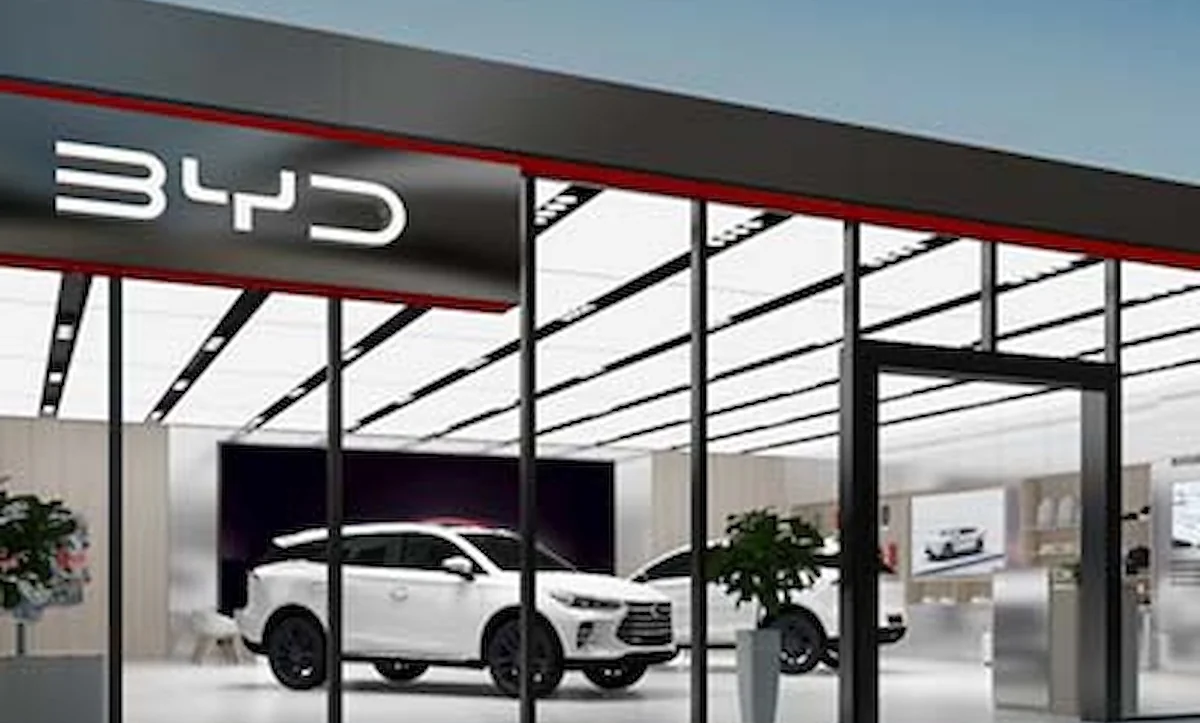
He added that major global companies, including BYD and Tesla, are developing EV technologies, components and charging systems. He stressed the importance of benefiting from these developments as EV production expands locally.
Charging stations
The minister said growth in EV production should go together with developing the charging station network and providing the needed infrastructure. He pointed to the importance of continued coordination with the Ministry of Industry to set the market's needs for charging stations and to make them available in different locations.
Nasr plant
Esmat said he was glad actual production of an electric car had started inside Nasr Automotive plants. He called it an important step in localising car manufacturing. He also stressed keeping national industrial assets running efficiently.
Customs
Esmat called for a review of the customs treatment of imported EVs and their components. He said some imported EVs used to enter the market without customs, while imported components used in local manufacturing pay customs duties. He said this calls for a study so that local products get fair competitive chances.
These should encourage companies to expand manufacturing and raise the local content share.